
The Reality of Borrowing with Sub-580 Credit Scores
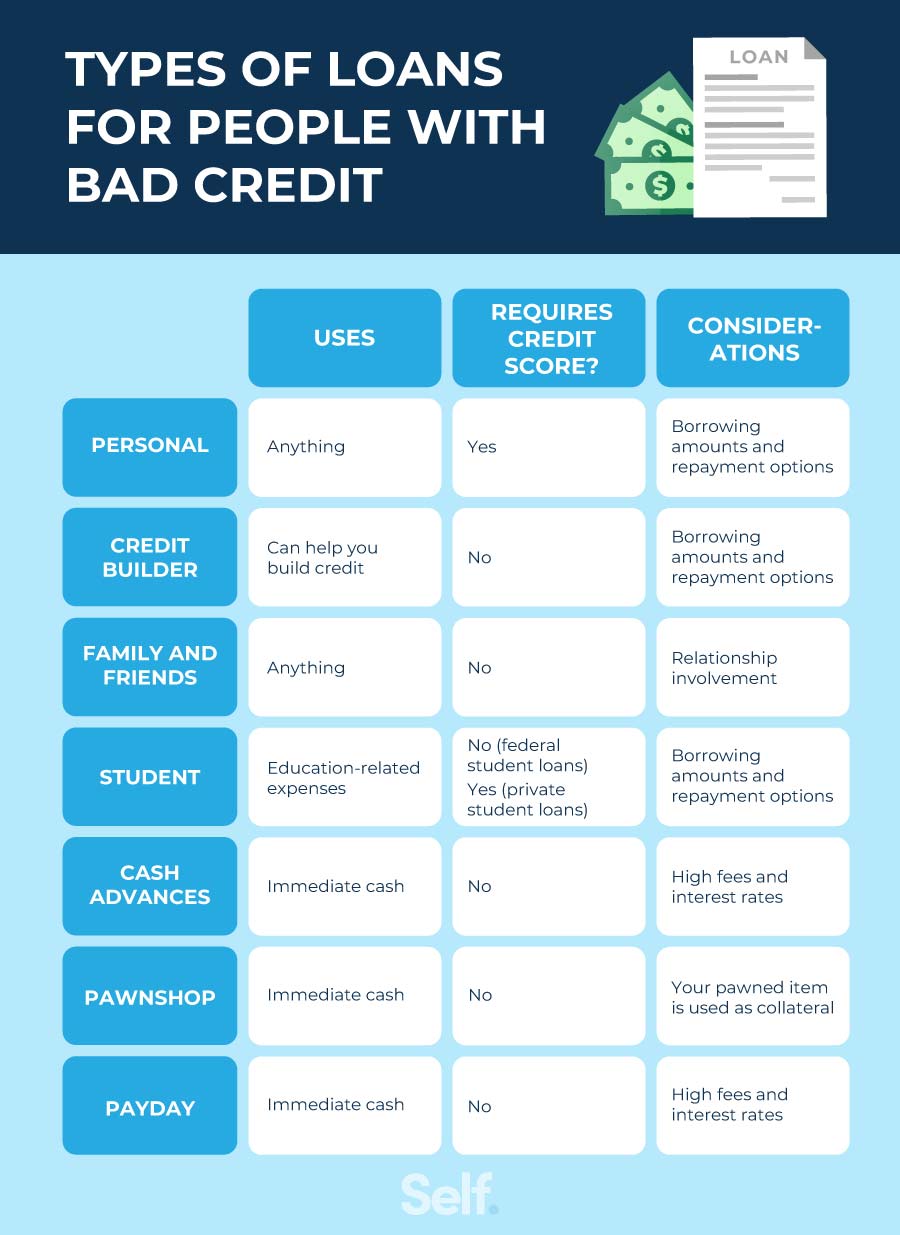
Forty lenders. That is the number of different financial institutions recently scrutinized by LendingTree to identify which ones actually provide options for borrowers with scores under 580. This segment of the market represents a significant portion of the American population struggling to navigate the rigid requirements of traditional banking. It is a space defined by high interest rates, strict eligibility criteria, and the constant tension between urgent liquidity needs and the long-term cost of debt.
Borrowing money when your credit history is marred by late payments, collections, or high credit utilization is not a simple task. Most mainstream lenders operate on a binary logic: you either meet the score threshold or you do not. For those trapped below the 580 mark, the options often feel limited to high-interest payday loans or predatory lenders that exacerbate the very financial problems the borrower is trying to solve.
However, the landscape has shifted slightly as fintech companies and specialized credit unions enter the fray. These lenders often look beyond a single number, analyzing a broader range of financial data to determine risk. They prioritize stability and income over a perfect repayment history. It is a messy, complex market that requires a clear understanding of how different lenders weigh your financial past against your present ability to pay.
Finding the right fit requires looking at more than just the interest rate. You have to look at the terms, the speed of funding, and whether the lender actually cares about your ability to build credit through the process. It is a high-stakes game of matching debt to opportunity without falling into a cycle of permanent interest payments.
The Mechanics of Risk Assessment in Subprime Lending
Lenders do not lend money out of kindness; they do it because they expect to get it back with a premium for the risk they are taking. When a borrower has a low credit score, the lender views them as a high-probability default risk. To offset this risk, they charge higher interest rates, which can make a loan significantly more expensive over its lifespan. This is the fundamental math of bad credit loans.
Some lenders use a process that allows consumers to check their eligibility without a hard inquiry. This is a vital distinction because a hard inquiry can drop a score by several points, potentially pushing a borderline borrower into an even worse tier. For instance, Acorn Finance allows users to compare rates with no impact to their credit score, which provides a safety net for those trying to gauge their options without further damaging their standing.
The criteria used to determine eligibility are becoming more granular. Instead of just looking at the FICO score, some lenders look at:
- Debt-to-income ratio (DTI): How much of your monthly income goes toward existing debt.
- Employment history: Proof of steady, predictable income over the last two years.
- Bank account activity: Direct access to your cash flow data through services like Plaid.
- Public records: Whether there are recent bankruptcies or tax liens.
Does a low score mean you are destined to pay the highest possible interest rate for the next decade? Not necessarily, but it does mean you have much less leverage in negotiations. You are essentially a price-taker in a market where the lenders hold all the cards. If you need cash for an emergency, you might find yourself stuck between a rock and a hard place, deciding between a high-interest personal loan and a much more dangerous short-term cash advance.
The speed of funding is another major factor. Some lenders can move money into an account within twenty-four hours, while others may take a week to verify your income and employment. If you are using the loan to consolidate high-interest credit card debt, speed is everything. If you wait too long, the interest accruing on your cards might outpace the savings you gain from the new loan.
Comparing Lenders Across the Credit Spectrum
Not all “bad credit” loans are created equal. Some lenders focus on people with “very bad” credit, those who might not have a score at all or have recent bankruptcies, while others focus on “fair” credit, which sits in the 580 to 650 range. The interest rates and terms vary wildly depending on where you sit on this spectrum.
A quick look at how different providers approach the market reveals the diversity of the current options. You might find that a lender offering a lower rate has a much stricter requirement for your monthly income, or perhaps they require a co-signer to mitigate their risk. It is a trade-off every single time you apply for credit.
| Lender Type | Typical Credit Profile | Primary Benefit | Primary Drawback |
|---|---|---|---|
| Traditional Banks | 700+ | Low interest rates | Strict eligibility |
| Credit Unions | 600-700 | Personalized terms | Slower approval process |
| Fintech Lenders | 580-680 | Fast funding/Digital-first | Variable interest rates |
| Subprime Specialists | Under 580 | High approval odds | Very high APRs |
When you are looking at these options, you have to be careful about the fine print. Many lenders will offer a “teaser” rate that looks manageable, but if you miss a single payment or fail to meet certain requirements, that rate can jump significantly. It is a predatory tactic that is common in the subprime sector, where the goal is often to keep the borrower in debt as long as possible. This is why checking multiple sources is so important for anyone looking to secure their financial future.
Some people use these loans as a tool for rebuilding. If a lender reports your on-time payments to the major credit bureaus, the loan can actually help raise your score over time. However, if the lender is a non-reporting line of credit, you are paying a high price for cash without getting any long-term benefit for your credit profile. You need to know exactly where your money is going and what it is buying you in terms of long-term financial health.
The decision-making process should always involve a comparison of the total cost of the loan. This means looking at the APR, not just the interest rate. The APR includes the interest plus any origination fees that the lender might tack on at the beginning of the term. A 15% interest rate with a 5% origination fee is much more expensive than a 16% interest rate with no fee.
The Hidden Costs of Rapid Liquidity
The convenience of digital lending is a double-edged sword. You can apply for a loan from your phone while sitting on your couch, and you might have the funds before you finish your coffee. But that ease of access comes with a psychological trap. When money is that easy to get, it is very easy to spend it on things that do not actually help your financial situation, like lifestyle inflation or non-essential repairs.
Many borrowers find themselves in a situation where they take out a personal loan to pay off a credit card, only to run the credit card balance back up a few months later because they haven’t changed their spending habits. This leads to a “double debt” scenario that is incredibly difficult to escape. It is a cycle that can take years to break, even with a steady income and a disciplined approach to budgeting.
You should also be wary of “pre-payment penalties.” Some lenders actually make it harder to pay your loan off early because they want to ensure they collect all the interest they’ve projected. If you plan to use a windfall, such as a tax refund or a work bonus, to pay down your debt, you must ensure the lender won’t punish you for being responsible. A lender that penalizes early repayment is essentially charging you for the privilege of being in debt.
The math of compounding interest is your worst enemy when you are in the subprime category. If you carry a balance on a high-interest loan, the amount you owe can grow faster than your ability to pay it down, especially if you are only making the minimum monthly payments. It is a mathematical certainty that you will pay back several times the amount you originally borrowed if you do not have a strict repayment plan in place from day one.
Consider the impact of origination fees on your actual cash-in-hand. If you apply for a $5,000 loan and the lender charges a 5% fee, you only receive $4,750, but you are responsible for paying back the full $5,000 plus interest. This is a common way that lenders hide the true cost of their products. You must calculate your budget based on the amount you actually receive, not the amount the loan agreement states.
It is a difficult path to walk, and there is no such thing as a free lunch in the credit market. You are trading your future income for present-day liquidity, and the price of that trade is determined by how much the market thinks you might fail. If you are going to do it, do it with your eyes wide open and a clear exit strategy in mind.
Long-term Strategies for Credit Restoration
A personal loan should ideally be a temporary bridge, not a permanent lifestyle. For many, the ultimate goal of taking out a bad credit loan is to consolidate higher-interest debt or to pay for a necessary expense, like a car repair, that allows them to keep their job. If the loan is used for something that increases your earning potential or protects your current income, it is a strategic move.
To make this work, you have to be aggressive about your credit score. This involves more than just paying your loans on time; it requires a holistic approach to your financial behavior. You need to reduce your overall credit utilization, which means keeping your credit card balances as low as possible relative to your limits. This is often the fastest way to see a jump in your score, as it signals to lenders that you are no longer overextended.
Monitoring your credit report is equally important. Errors are more common than people realize, and a single mistake, like a debt that has already been paid being marked as “unpaid”—can tank your score and prevent you from qualifying for better interest rates in the future. You should check your report at least once every few months to ensure that every negative mark is accurate and that all your positive payments are being recorded correctly.
Consistency is the only way out. You cannot treat your debt like a variable expense that you can ignore during a lean month. If you are using a loan to rebuild, your primary goal must be to never, ever miss a payment. Even one late payment can negate months of progress in your credit score rebuilding efforts. It is a slow, grinding process that requires a level of discipline that many people find difficult to maintain over several years.
The best way to handle bad credit is to treat it as a temporary state of being rather than a permanent identity. The tools available today, from fintech lenders to specialized credit unions, provide a way to manage life’s financial emergencies, but they are not a substitute for a fundamental change in how you manage your money. Use the credit you can get to fix the problems that caused the bad credit in the first place.
Borrowing with bad credit is a high-risk gamble that requires a very disciplined hand to win. For the full picture, it’s worth checking CashNowAdvance.
Common questions
Can I get a personal loan with bad credit?
Yes, many lenders specialize in bad credit loans, though you may face higher interest rates and lower credit limits due to increased risk.
What are the risks of taking a bad credit personal loan?
The primary risk is paying significantly more in interest over the life of the loan, which can increase your total debt burden.
How do lenders determine eligibility for bad credit loans?
Lenders evaluate your credit score, monthly income, debt-to-income ratio, and employment history to assess your ability to repay.
Will applying for a bad credit loan affect my credit score?
Yes, most lenders perform a hard credit inquiry during the application process, which can cause a small, temporary dip in your score.
Can I improve my chances of approval for a bad credit loan?
You can improve your chances by providing proof of steady income, reducing your current debt, or using a secured loan option.